
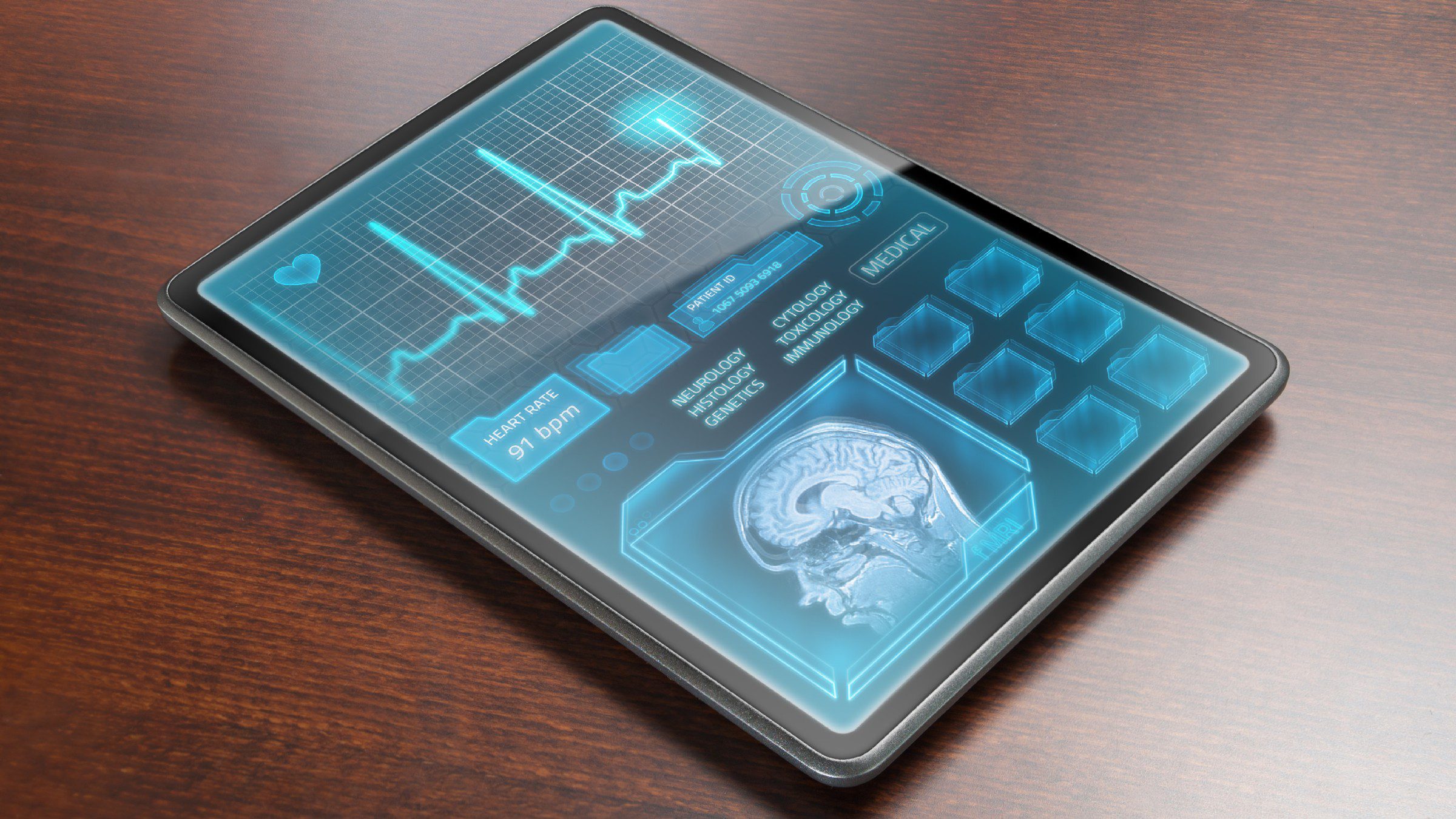
Understanding how a patient’s health changes over weeks or months becomes clearer when data analytics turns scattered clinical information into meaningful patterns that guide safer and more personalised care decisions.
Why long-term tracking matters in modern healthcare
Think about the last time you tried to understand your own health history. You probably looked at test results, notes, symptoms and maybe even old prescriptions. Now imagine doing that not for one person but for thousands. That is exactly where data analytics steps in. It collects separate pieces of information and shows how they interact over time. Many clinicians say these tools act like a second pair of eyes, helping them notice improvements or risks earlier. Our medical editor once mentioned that analytics often highlights small changes long before they become visible in routine check-ups. That perspective turns long-term tracking into a crucial part of modern care.
How structured data builds a clearer clinical picture
Every hospital visit produces some form of data. It might be lab values, imaging reports, medication lists or symptom descriptions. Analytics tools organise these details so clinicians can follow changes easily. A doctor might compare last month’s blood sugar levels with this month’s trend or see how a new treatment affects liver markers. These comparisons reduce guesswork and strengthen clinical judgement. According to insights our editorial team often observes, structured data helps identify what is stable, what is improving and what needs attention sooner rather than later. When information is neatly organised, decisions become more confident.
Visualising trends to support better decisions
Graphs and dashboards play a big role in long-term tracking. They transform raw numbers into shapes that the human eye understands quickly. A smooth upward or downward curve tells a story at a glance. Clinicians can explore these visual trends to see whether a medication is working, whether a lifestyle change is helping or whether a patient needs a different approach. Some health institutions in Türkiye and the Gulf region increasingly use these visual tools to monitor chronic conditions. Visual analytics makes small shifts visible, and visible shifts often lead to timely interventions.
How analytics supports personalised treatment plans
Personalised care means adapting treatment to an individual’s needs, lifestyle and medical history. Data plays a strong role here. When clinicians review long-term trends, they notice which treatments bring steady progress and which create setbacks. A patient with hypertension, for example, might respond better to morning medication based on weekly blood pressure data. Another patient might show better asthma control during periods of reduced air pollution, suggesting environmental triggers. According to our editor’s notes from various clinical discussions, personalised planning becomes more accurate when it is informed by real patterns rather than assumptions. Analytics simply makes those patterns easier to see.
Spotting early warning signs before they escalate
One of the most valuable advantages of data analytics is early detection. Tiny changes in lab values, sleep patterns or heart rate variability can be early indicators of health decline. Analytics tools detect these micro-changes and alert healthcare teams sooner. This proactive approach reduces complications, emergency visits and treatment costs. Some clinics even set threshold alerts to notify teams when values drift away from safe ranges. Our editorial team often hears clinicians say that early flags change outcomes more than any other feature. Seeing trouble early gives everyone more room to act.
Supporting patient engagement through shared data
Patients are more involved in their care when they understand their progress. Analytics allows clinicians to share easy-to-read summaries that show how lifestyle adjustments, medications or therapies affect health outcomes. Many people feel more motivated when they can visually track their progress. A patient with joint pain might see that physical therapy sessions gradually increase mobility scores. Someone managing weight might follow changes in body composition rather than focusing only on kilograms. According to feedback collected by medical staff, shared data not only informs patients but also deepens trust between patient and clinician.
Integrating wearable devices and home monitoring
Wearable technology adds another layer of valuable data. Smartwatches, glucose monitors and home blood-pressure devices provide continuous data beyond clinic walls. When these tools connect to analytics systems, clinicians gain a richer view of daily patterns. They can see how stress, sleep, diet or physical activity differ between clinic visits. Some hospitals report that remote monitoring reduces unnecessary appointments while improving long-term outcomes. Our editor’s review of patient engagement studies suggests that continuous data gives clinicians the context they often miss in short appointments. It brings the patient’s real life into the medical decision-making process.
Ensuring privacy and ethical data handling
Whenever data is involved, privacy becomes essential. Hospitals and clinics follow strict national and institutional regulations to keep information secure. Encryption, role-based access and anonymised datasets protect patient identity. Ethical committees in many countries, including Türkiye and the Gulf region, emphasise transparency: patients should know how their data is used and why. Our editorial contributors remind us that trust grows when patients feel safe. Responsible data handling strengthens the relationship between healthcare systems and the communities they serve. That is why ethical data management always stands beside analytics, not behind it.
How clinicians use insights for continuous improvement
Analytics doesn’t only help with individual cases; it also reveals patterns across groups. A department might notice that certain treatments show stronger results in specific age ranges. Another clinic might find that appointment follow-up rates increase when reminders are sent earlier. These insights guide training, resource planning, staffing adjustments and new clinical protocols. Our editor once summarised it well: “These tools help healthcare teams learn from themselves in real time.” Continuous improvement becomes natural when data highlights what works best. It encourages teams to refine their approach steadily.
A growing role in future healthcare models
The future of healthcare is leaning strongly toward data-supported care models. Predictive analytics may soon help forecast which patients are at risk of deterioration days before symptoms appear. Treatment response patterns could guide targeted therapies with greater precision. As digital health records expand, more clinics in Türkiye, the UAE and Qatar explore advanced analytics for long-term monitoring. The direction is clear: data is becoming a central partner in patient care. As systems grow more integrated, the value of seeing patient progress over time will increase even further.